

Landlord Gas Safety Checks
To ensure compliance with the law, landlords must conduct gas safety inspections on their properties. They must also provide tenants with copies of their gas certificates within 28 days of each check.
Some tenants may be reluctant to give landlords access to their property for safety and maintenance checks, but a tenancy contract must permit access. However, landlords can't force disconnection of the supply.
How often should a landlord obtain gas safety certificates?
Landlords must ensure that their Gas Safe engineers check all appliances and flues in the properties they lease out. This is a legal obligation for landlords and the inspections should be performed by an engineer who is registered with Gas Safe. If a landlord is unable to conduct the required inspections they could be subject to fines or even jail time.
A landlord has to plan for an Gas Safety check to be completed every 12 months at their rental property. They must also give their tenants a reasonable notice when the check is due. The check must be executed by an Gas Safe registered Engineer and the engineer must be able to show a current Gas Safe Identification Card. The engineer should ensure that the gas installation is safe, and may also shut off the gas supply in the event of a need.
Landlords must provide a copy of the annual Gas Safety record to their tenants in the 28 days of the report's completion. They must also provide copies to tenants who are new at the beginning of their lease. Landlords should make sure that their rental properties are equipped with inspection hatches that allow engineers to access the appliances easily.
If a landlord discovers it difficult to gain access into their rental property to perform the necessary checks, they could try to persuade the tenant to let them in. It is recommended that they send a strongly worded letter to the tenant outlining why the checks are essential and asking them to allow access. If this doesn't work the landlord might be tempted to apply to the court for a court order in order to compel access.
While the landlord is accountable for the inspection of all appliances within their property but they are not legally responsible to check tenants' appliances or separate flues. The landlord is still accountable for maintaining the pipes that connect to tenants appliances. They can be held liable if any injuries are caused by these pipes.
Landlords who don't comply with the legal requirements laid out in the Gas Safety Regulations could be facing a large fine or even imprisonment. It is crucial to only engage Gas Safe engineers to perform the inspections and to issue the certificates.
How can I get a gas safety certification for a landlord
Gas safety certificates are a legal requirement that landlords have to provide to tenants to ensure their safety. The certificate (also known as a CP12) confirms that the flues and gas appliances within the property have been tested and are safe for use. Landlords must provide the certificate to tenants currently in residence within 28 days or to any new tenants before they move into the property. Landlords must keep a copy for a period of two years.
The cost of getting an owner's gas safety certification is subject to significant variation. The cost depends on several factors, such as the location of the property or the complexity of the gas system. It is crucial to shop around for the best deal. Some companies offer discounts for several inspections or bulk purchases. It is also a good idea to select a company that is registered with the Gas Safe Register.
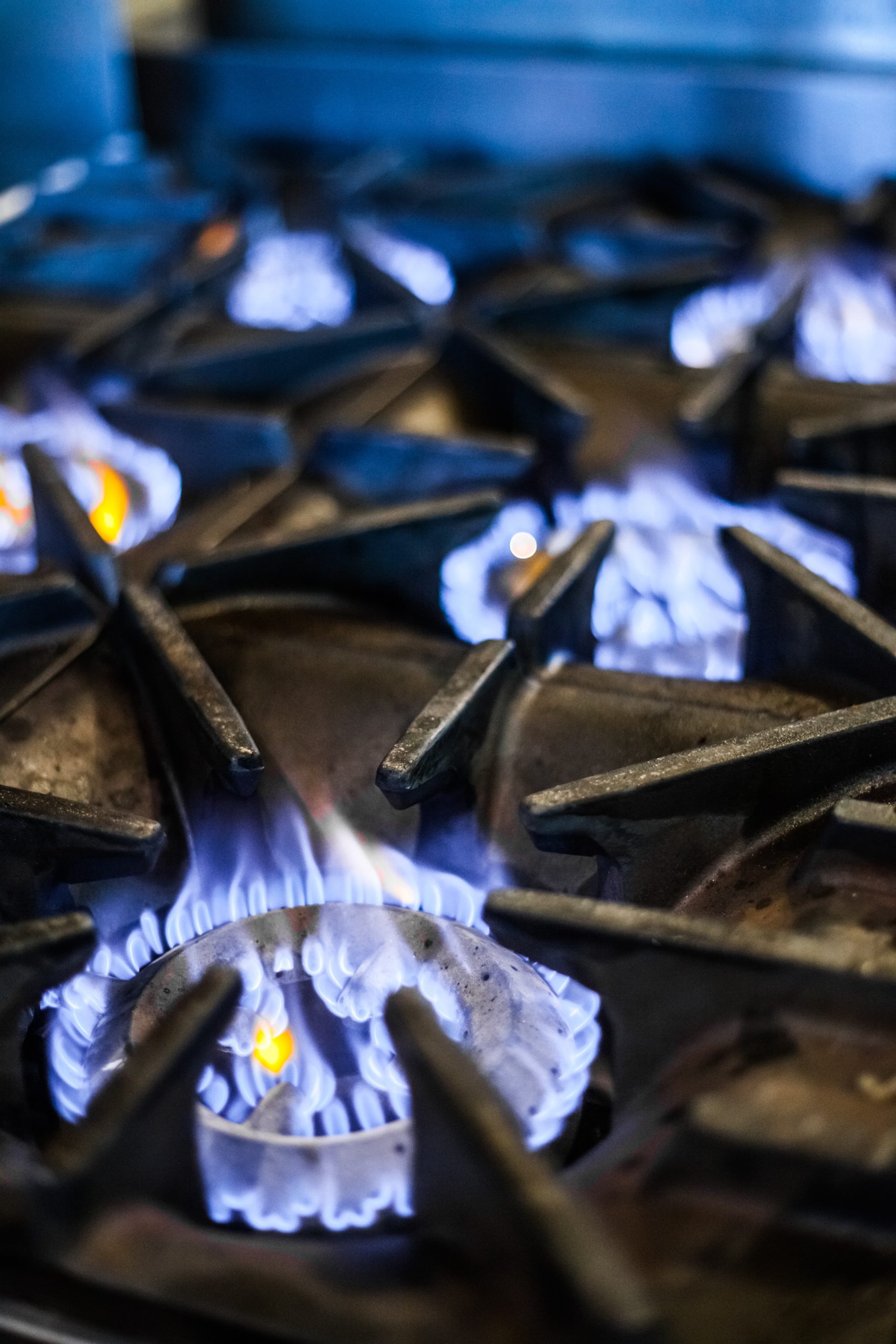
Landlords are required to have their rented properties inspected by a Gas Safe engineer every 12 months. The engineer will check all gas pipes, appliances and flues to ensure that they are safe to use. The engineer will also examine for carbon monoxide which is often a hidden risk in rental properties. Landlords must make sure the engineer is wearing a Gas Safe ID card and is qualified to perform the job.
Some landlords might face issues with tenants refusing to allow access for the inspection. This could be a major issue for the health and safety of the tenants. In such instances the landlord must prove that they have taken every reasonable step to be in compliance with the law. This can include making repeated attempts or writing to the tenant to inform them that the safety check is a legal requirement.
If you have concerns regarding the safety of gas in your home, contact us today. Our lawyers have expertise in these kinds of cases and can protect your rights as a tenant. We will fight for your rights to live in a secure environment.
How often should a landlord obtain a gas safety certificate for a commercial property?
Every year commercial property owners, such as landlords of shops, pharmacies and offices must be issued a gas safety certificate for their premises. The certificate's purpose is to protect tenants from carbon monoxide poisoning or explosions. The safety checks are usually performed by an approved Gas Safe engineer. The inspector will inspect various aspects including the condition of the pipes and appliances, whether the devices are installed correctly and securely as well as the presence and operation of safety devices.
The engineer will then issue an assessment if any issues are discovered and suggest repairs. The landlord will then have to arrange for the work. It is crucial that the inspection is done prior to when a tenancy starts. Landlords must give existing tenants a copy within 28 days of the gas safety certificates and issue new ones to tenants prior to the move into.
The rules governing landlords' responsibilities are complex and can be difficult to comprehend. The HSE has free leaflets available at the HSE which provide clear, concise guidance for landlords. They are available on the HSE website. Also, the Approved code of conduct and a guide for landlords on the Gas Safety (Installation and Use) Regulations can be useful.
A landlord must schedule annual maintenance with a Gas Safe registered engineer for all pipework and flues, appliances and equipment they own and rent out. This is a legal requirement, and landlords who do not comply could be fined or even charged with a crime.
In certain situations, tenants may refuse to allow access for an inspection or maintenance check. This can be a challenging scenario, but the law requires that landlords take all reasonable steps to enforce their obligations. This can include repeating requests for access and writing to the tenant to explain why the security checks are required and seeking legal advice if necessary.
The tenancy contract should state that tenants have access to perform maintenance and safety checks. If it is not so, the landlord might need to take legal actions to force access. In these circumstances it is crucial to note that the disconnection of the gas supply should only be considered as a last resort, and as a very last option.
How often should landlords get a gas safety certificate for a home that is sub-let?
Landlords are required to comply with a range of rules which include ensuring that the property is safe for tenants. Failure to comply with these regulations can lead to penalties and even imprisonment. Gas appliances and pipes must be safe for tenants to use. Landlords must perform annual gas safety inspections. These annual inspections should be carried out on all gas appliances, piping, and flues in the rental property. In order to do this the landlord must engage the services of a qualified Gas Safe engineer. The engineer will provide a digital copy of the Landlord Gas Safety Record, also known as a CP12. The landlord must provide the CP12 to their tenants within 28 days following the check. Landlords are also required to provide a CP12 when the new tenancy starts.
Gas Safety Regulations have been modified to allow flexibility in the timing of annual gas safety inspections without reducing the safety-check cycle. This change was made to reduce the problem of over-compliance and also allow better maintenance planning. Landlords are now allowed to conduct their annual checks up to two months prior the deadline date (which is 12 months from the previous check).
It is up to the landlord to ensure that their property is in compliance with rules even if they decide to employ an agent for managing. Agents usually assume this responsibility, but it is worth examining before hiring anyone.
how long does gas safety certificate last who does not adhere to the gas safety regulations can be prosecuted. In some cases, landlords can be fined thousands of pounds for failing to keep up with gas safety inspections and records. Other penalties could also be handed down. For example the gas supply could be cut off.
If you've experienced an New York City apartment fire caused by gas lines that are defective It is imperative to speak with an experienced lawyer immediately. A lawyer can review the case and determine whether you have grounds to take action against your landlord.