

Do Homeowners Need a Gas Safety Certificate?
There is no legal requirement that homeowners have a gas safety certificate. However, it can put potential buyers' minds at ease and could make it easier to sell your home.
It is also able to detect any gas or heating issues early, saving homeowners money and preventing the possibility of death by carbon monoxide leaks. Find out more about do homeowners need gas safety certificates and how it works.
Legal Requirements
Landlords are legally required inspect their properties on an annual basis, and one of the most important aspects of this is obtaining the gas safety certificate. This document is proof that all the flues, appliances and fittings within a home have been checked by a qualified engineer and that they are safe to use.
The engineer will make sure that all gas appliances function properly, that connections are secure and there is adequate ventilation. They will also look for blockages in the flues. They will also check that all gas pipes are appropriately size and free of corrosion, make sure there is no leakage, and that carbon monoxide is not being produced. They will then issue a gas safety certificate, which will include a list of all the appliances and the dates that they were inspected.
A homeowner may also wish to get a gas safety certification that will provide them with peace of mind about the condition and installation of gas appliances within their home. It will also help identify any issues early which will reduce costs and prevent accidents from happening.
If you're considering selling your house, some prospective buyers may ask for gas safety certificates. This is a great idea. This will inform the buyer that all the gas appliances and installations within the house are in good functioning order, which can save them a lot of money and time.
If a landlord fails to obtain their gas safety certificates in place, they could be liable for a fine and could face legal action from tenants or the council. This is because it indicates that the property is not considered to be suitable for human use and could result in people being injured or even killed.
You should also keep a copy for your records to be able to show the certificate to prospective buyers or tenants. what is a landlord gas safety certificate will assist you in attempting to sell your house and show that you care about the security of tenants.
Benefits
The gas safety certificate is important for homeowners and landlords alike. It is a way to ensure that all appliances and installations meet the safety requirements, and shields residents from dangers like carbon monoxide poisoning. It also helps to protect landlords from the potential legal consequences for non-compliance with regulations.
Landlords who do not comply with gas safety regulations could be punished with fines or even prison time. Possessing a valid gas safety certificate can help to avoid this and make renting out your property much easier, as prospective tenants will be more likely to rent from landlords with an excellent track record.
Before making an offer, those seeking to purchase a property should check that the current owner holds a valid gas certificate safety. This will assure them that gas appliances are safe to use and they won't have to pay for costly repairs after moving into.
It is important to note that some homeowners insurance policies require the issuance of a gas safety certificate as a prerequisite for coverage. This is particularly true for landlords, who may need to show evidence that they are in compliance with the regulations regarding gas safety in order to renew or obtain their insurance.
Before undergoing any work on their gas appliances or installations, homeowners should ensure that the engineer they choose to work with is Gas Safe registered. Only those registered on the Gas Safe Register have passed rigorous tests and are qualified for safety inspections of gas systems. Homeowners should ask their engineer to provide the full report in writing following the inspection completed. It will contain the list of all the gas appliances and installations that were inspected, their current status (pass or fail), and any recommended action items. It is recommended to get a copy of the certificate for your records. Many customers have praised the professional service and speedy turnaround times of their chosen gas safety specialists, providing them with peace of mind and invaluable reassurance that their homes are safe for living in.
Costs
Gas safety certificates aren't only a legal requirement for landlords as well as an investment in the security of your tenants. CP12 certificates are an annual check of your gas appliances and pipework to be sure they're safe to use. It's a good idea for homeowners as well, since gas equipment that is not working properly can cause carbon monoxide poisoning, and even explosions.
The cost of a CP12 certificate vary from property to property, but the average cost is approximately PS80. This includes the engineer's cost and an original certificate to keep in your files and any work that may require to be done to bring your appliances up to the standards of. If you're a landlord, it's worth getting quotes from several engineers to find the most competitive price be wary of rates that appear too good to be real.
Landlords must inspect every gas appliance in their homes and flues each year. This will help to ensure that your property is safe for the people who inhabit, and you can avoid expensive fines or even prison if you fail to comply with the legal requirements.
The cost of the gas safety inspection is contingent on a number of factors including the number of appliances present in the building and their type. Homes that are residential typically have fewer gas appliances, which reduces the cost. Commercial properties may require a more thorough inspection which could result in more expensive cost. You can often save money by grouping your inspections and organizing them all at the same time and some engineers will offer discounts for this.
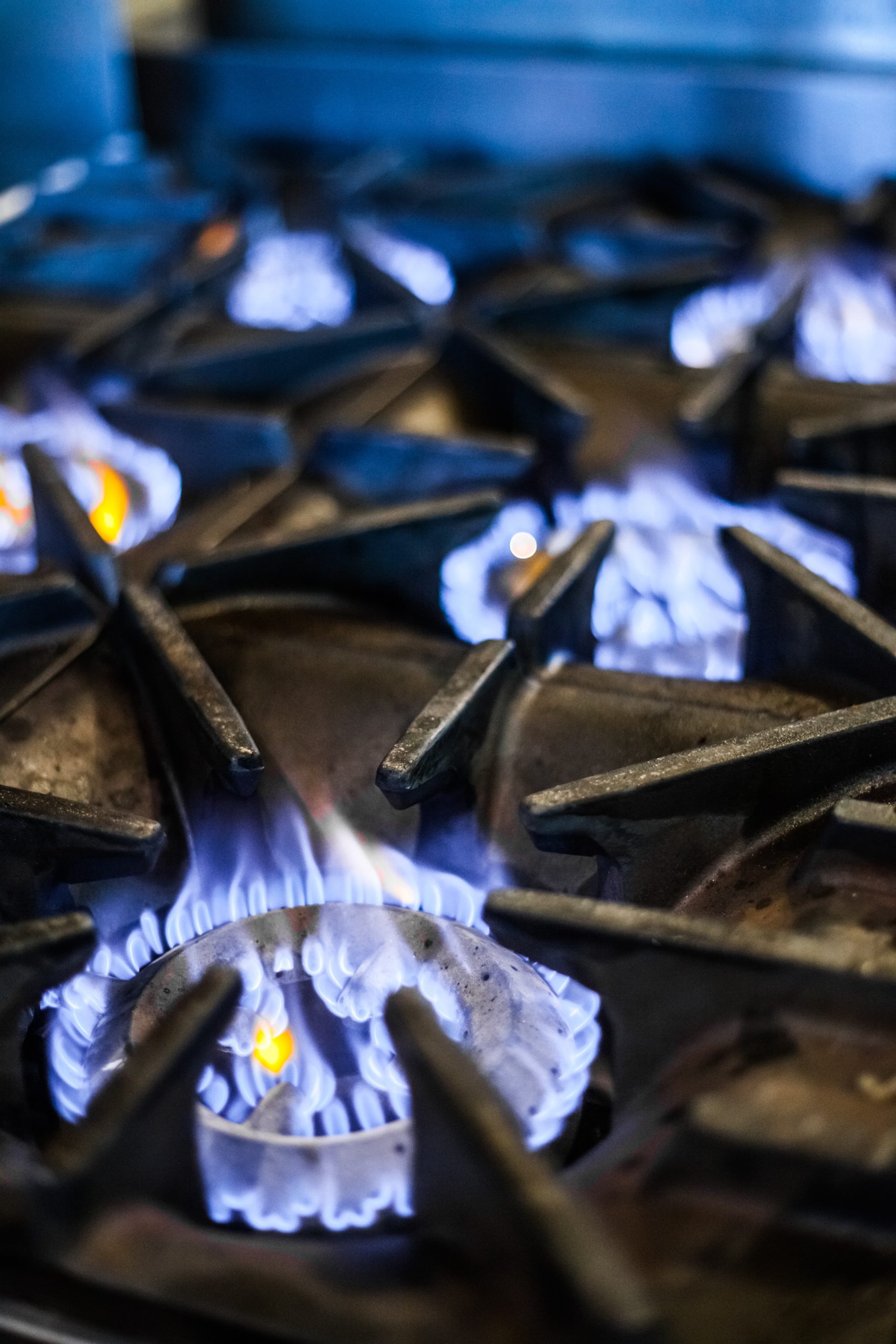
Another major factor that affects the cost of a gas safety certificate is location. Prices can vary widely across the UK, and are often higher in areas that have a higher demand for engineers. Emergency checks are more expensive than regular inspections, particularly in the event that your gas certificate is about expire.
Expiration Date
The annual inspection of your property will not only ensure that you comply with the law, but that your tenants as well as you are safe. This is particularly important for landlords who rent their properties. Landlords are accountable for ensuring that all gas appliances are operating safely and are equipped with a current gas safety certificate.
The gas safety inspection is performed by a qualified Gas Safe registered engineer who will inspect the boiler and flues, as well as any other gas appliances that are in the property. Gas safety certificates will identify any defective appliances. These are classified as ID (immediate risk), AR (at-risk) or NT(not up to current standards). Appliances that are classified as ID need to be replaced immediately, and those rated AR will require urgent repairs.
what is a gas safety certificate will receive a copy after the engineer has finished. This must be handed out to all existing tenants within 28 days after the service as well as to any new tenants prior to moving in. Failure to comply with this rule could result in fines or in more serious instances the possibility of prosecution.
Gas safety checks aren't a statutory requirement for homeowners, however it is strongly advised to conduct them. This will protect homeowners from any unforeseeable issues that may arise and give them peace-of-mind that their gas appliances are safe to use. You should also be aware that certain home insurance policies require the use of a valid Gas Safety Certificate.
In some cases, landlords may have difficulties gaining access to their property to carry out the gas safety test. However the tenancy agreement should clearly stipulate that the landlord is entitled to the right to gain access to their property for safety and maintenance. The landlord has to employ all reasonable measures to gain access to their property, including repeating their request and writing to tenants to explain that gas safety inspections are required by law. If all else fails, the tenant has a right to terminate their lease and seek legal advice.